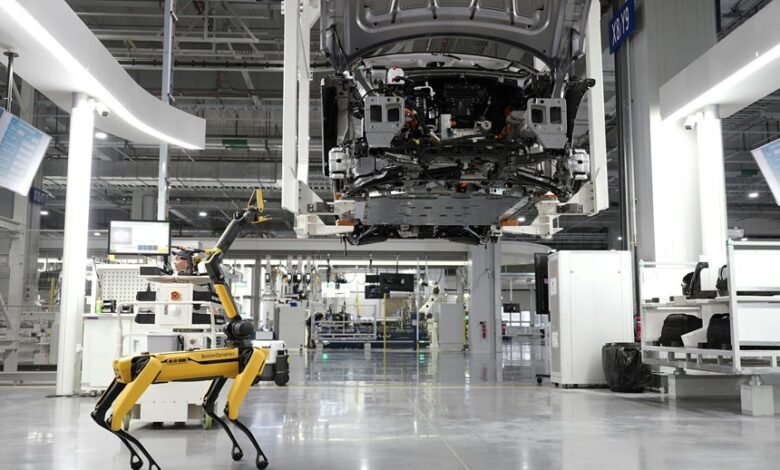
The Smart Automation System 8554097073 demonstrates significant potential in enhancing operational efficiency across various sectors. Its user-friendly interface and customizable features contribute to streamlined workflows. Efficiency metrics reveal noteworthy improvements in productivity and cost management. However, the system’s adaptability to evolving automation technologies raises questions about its long-term viability. As industries increasingly adopt such systems, understanding the implications of these advancements becomes critical for sustained success.
Key Features of Smart Automation System 8554097073
A smart automation system, such as the model identified by the number 8554097073, encompasses several key features that enhance operational efficiency and user interaction.
Its user-friendly interface allows for seamless navigation, ensuring accessibility for diverse users.
Additionally, customizable settings empower individuals to tailor the system according to specific needs, facilitating a more personalized experience that promotes autonomy and operational flexibility in various environments.
Measuring Efficiency Gains With Smart Automation
How can organizations effectively quantify the efficiency gains achieved through smart automation systems?
By employing robust efficiency metrics, organizations can conduct thorough automation analysis to identify key performance indicators. This involves tracking productivity improvements, cost reductions, and time savings resulting from automation implementation.
A systematic approach allows organizations to assess the tangible benefits of smart automation, ultimately fostering informed decision-making and resource allocation.
Real-World Case Studies: Success Stories of Implementation
Real-world examples of successful smart automation implementation illustrate the tangible benefits organizations can reap from their efficiency gains.
By employing innovative implementation strategies, companies have streamlined operations, reduced costs, and enhanced productivity.
Positive user experiences highlight the adaptability of these systems, demonstrating their capacity to meet diverse operational needs while fostering a culture of innovation and freedom within the workforce.
Future Trends in Automation Performance and Adaptability
What shifts in technology and workforce dynamics will shape the future of automation performance and adaptability?
The integration of adaptive algorithms and predictive analytics will enhance systems’ responsiveness to real-time data, fostering greater efficiency.
As organizations prioritize flexibility, automation will evolve to accommodate dynamic environments, allowing for scalability and improved decision-making, ultimately empowering a workforce that seeks autonomy in a rapidly changing landscape.
Conclusion
In conclusion, the Smart Automation System 8554097073 exemplifies cutting-edge technology that not only enhances operational efficiency but also revolutionizes industry standards. With its customizable features and robust efficiency metrics, organizations can expect unprecedented productivity improvements and cost reductions. As automation continues to evolve, this system stands ready to adapt, ensuring it remains a cornerstone of innovation across various sectors. Ultimately, its impact on operational autonomy is nothing short of transformative, propelling businesses into a new era of performance excellence.