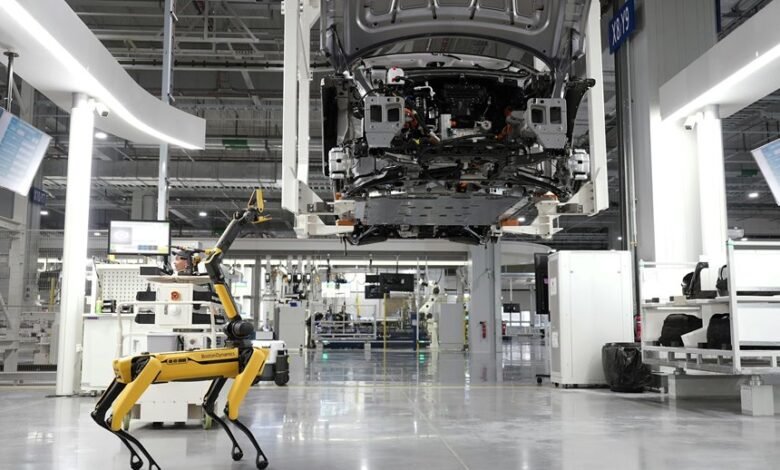
The Smart Automation System 648040971 exhibits a range of features designed to optimize performance across various industries. Its user-friendly interface and integration capabilities facilitate streamlined workflows, while advanced energy management functionalities contribute to reduced consumption. User reports indicate a marked increase in operational efficiency. However, the question remains: how effectively does this system translate theoretical benefits into tangible results across diverse applications?
Key Features of the Smart Automation System 648040971
The Smart Automation System 648040971 is characterized by several key features that enhance its operational efficiency and adaptability.
Its intuitive user interface facilitates ease of use, enabling users to navigate functionalities effortlessly.
Additionally, robust integration capabilities allow seamless connectivity with existing systems, fostering a versatile environment that meets diverse operational needs.
This combination empowers users to optimize processes while maintaining autonomy in system management.
How the Smart Automation System Enhances Efficiency
By streamlining operational workflows, the Smart Automation System significantly enhances overall efficiency in various environments.
Its robust process optimization capabilities reduce redundancies, facilitating smoother task execution.
Additionally, the system’s advanced energy management features minimize consumption while maximizing output.
This dual focus on efficiency not only drives productivity but also empowers organizations to allocate resources more judiciously, fostering a sustainable operational framework.
Real-World Applications and Success Stories
Numerous organizations have successfully implemented the Smart Automation System, showcasing its versatility across various sectors.
In home automation, users benefit from seamless control of lighting and security systems, enhancing convenience and efficiency.
Additionally, industrial applications have demonstrated significant improvements in operational workflows, enabling real-time monitoring and predictive maintenance.
These success stories illustrate the system’s capacity to transform environments and optimize performance effectively.
User Feedback: What Are Customers Saying?
How do users perceive the Smart Automation System after its implementation?
Feedback indicates a high level of user satisfaction, with many customers reporting improved efficiency and streamlined processes.
Customer experiences highlight the system’s adaptability, allowing for personalized automation solutions.
Conclusion
In conclusion, the Smart Automation System 648040971, heralded for its transformative capabilities and efficiency enhancements, ironically thrives in an era where human oversight remains paramount. While users revel in its ability to optimize processes and reduce energy consumption, the very reliance on such advanced technology underscores a deeper dependency on automation—a paradox in a quest for independence. Ultimately, the system exemplifies how progress can both liberate and tether, inviting a reconsideration of the balance between innovation and human agency.